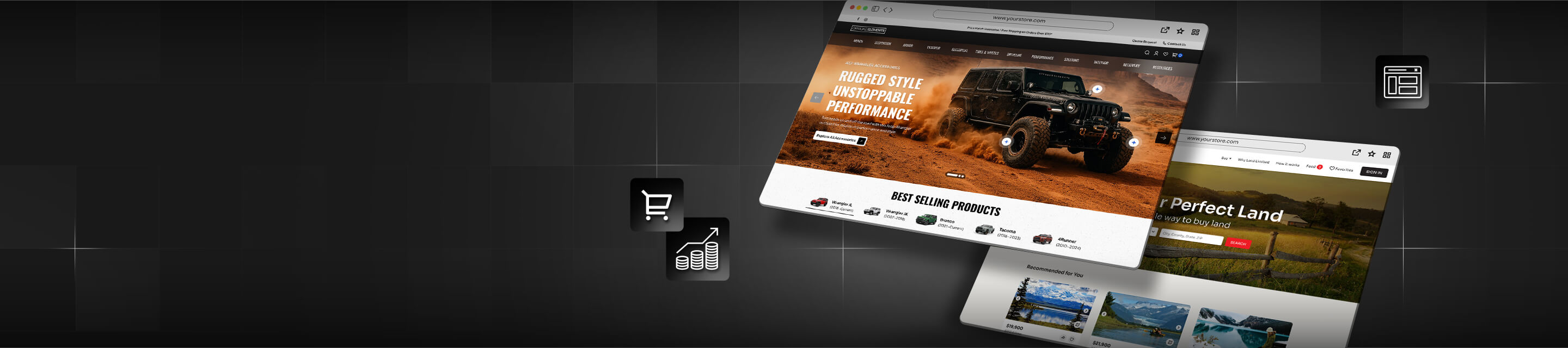
Web Design That Drives Sales and Builds Trust

Help shoppers compare products, choose options, request a quote, or reorder with confidence. Forix’s eCommerce web design services use customer research to shape product information, navigation, and buying paths around the tasks your customers need to complete.

What our eCommerce design and strategy work focuses on:

  • Consistent Branding Across Your Store
  • Clear Product Comparisons and Option Selection
  • Mobile-First Shopping Experiences
  • Design Decisions Informed by Research
  • Buying Paths for Quotes, Orders, and Reorders
  • Analytics and Testing Where Appropriate

Research helps identify where shoppers struggle. Analytics help evaluate changes, with testing used when traffic and the proposed change support a meaningful comparison.

Web Design That Drives Sales and Builds Trust

Design and Strategy Capabilities

Every Design Choice Has a Job

Design around the decisions shoppers need to make: compare specifications, select a size or configuration, request a quote, or buy again. We use research to identify friction and make those tasks easier to follow.

Branding

Carry your brand through page layouts, typography, imagery, and calls to action so shoppers encounter a consistent identity as they browse and buy.

UI/UX Enhancements

Help shoppers compare products, select options, and complete orders. Where a shopping assistant is relevant, design its questions, recommendation displays, and next steps; AI functionality and integrations are scoped separately.

Conversion Rate Optimization (CRO)

Use analytics to identify friction in product selection, quote requests, and checkout. Apply A/B testing where traffic and test suitability support a meaningful comparison.

Competitor Analysis & Ecosystem Review

Review how competing stores present specifications, options, pricing, and quote requests. Use relevant findings to inform design priorities for your catalog and customers.

User Behavioral Analysis

Examine where visitors hesitate or leave while comparing products, choosing options, or checking out. Use those patterns to identify buying tasks that need closer review.

Accessibility

Address color contrast, image text alternatives, and navigation in the design. Keep accessibility requirements visible alongside brand and shopping goals.

Mobile Design

Make specifications readable, option selectors touch-friendly, and checkout forms manageable on smaller screens. Keep the information shoppers need close to the action they are taking.

Landing Page Designs

Connect the campaign message with the page shoppers reach. Give visitors relevant product information and a clear next step toward purchase.

Email Marketing Designs

Create emails that reflect your brand and make the offer clear. Carry that message into the landing page for a consistent experience after the click.

Your Success Is Our Success

From stagnant sales to measurable growth — here’s what happens when you redesign with Forix:

Partnering with Forix was the best decision I made for my store. The redesign made my site look like a million dollars and sales increased almost instantly. The process was simple, clear, and focused on results. I only wish I had done it sooner.
Daniel Foster, Owner
Forix didn’t just update my site — they reimagined it. The design is sleek, mobile-first, and finally reflects the quality of my products. Sales are up 35% since launch, and I couldn’t be happier.
Olivia Chen, Founder
Working with Forix was seamless. They showed me where my biggest opportunities were and delivered a stunning redesign at no upfront cost. I felt supported from start to finish, and the results speak for themselves.
Marcus Whitman, Owner

198%

Conversion increase

32%

Transaction increase

30%

Time on site increase

28%

Conversion increase

92%

Revenue increase

87%

Engagement increase
FAQs

How can eCommerce web design help improve conversions?
Design can make product information, option selection, and checkout easier to use. Analytics help evaluate whether changes improve the buying journey. Outcomes also depend on your offer, traffic quality, and other store conditions.
How does B2B eCommerce design differ from B2C?
B2B design needs to support business buying tasks such as custom pricing, quote requests, account management, and repeat orders. B2C journeys typically center on selecting products and checking out. Forix designs around those different tasks so the interface reflects how your customers buy.
How do you keep mobile and desktop shopping consistent?
Consistency means keeping the same brand, product information, and buying logic while adapting the layout to each screen. Forix uses responsive layouts and touch-friendly controls so shoppers can recognize where they are, compare options, and continue toward checkout on mobile.
Can you design product finders or shopping-assistant experiences?
Forix creates guided quizzes, filters, and product selectors around your catalog. For shopping-assistant interaction design, define what shoppers are asked, how recommendations appear, and how they continue to a product or purchase. AI functionality and integrations are a separate scope to discuss.
How are design decisions researched and validated?
Forix uses UX research, behavioral analysis, and analytics to identify buying obstacles and inform design decisions. A/B testing is used where traffic and test suitability support a meaningful comparison. The validation approach should fit the question being investigated; not every design change calls for an A/B test.
How can design make repeat purchases easier?
Account dashboards and reorder features can help returning buyers find previous purchases and order again. Personalized recommendations and loyalty features can support other return visits. The right approach depends on how your customers shop and which capabilities your store supports.
What accessibility considerations belong in an eCommerce redesign?
Color contrast, image text alternatives, screen-reader support, and understandable navigation belong in an accessibility discussion. Forix includes accessibility in its design work. Confirm the applicable requirements, testing scope, and implementation responsibilities for your project; design work alone does not establish legal compliance.

    Not Sure Where to Start?

    We're here to answer to questions and make your redesign decisions easy.